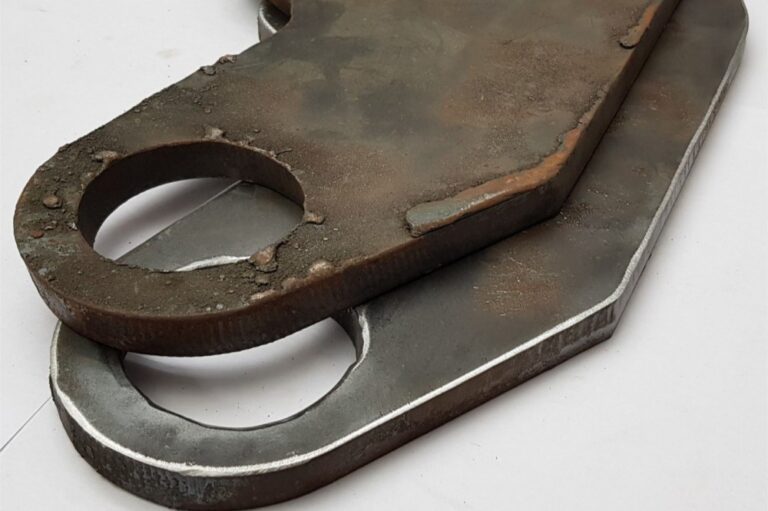
Starting a in-depth inspection concerning automatic mechanisms constructed to perform edge finishing characterize innovated manufacturing routines, providing prominent enhancements within swiftness and excellence. Our overview explores the varied types of systems, featuring scouring coating tools, spinning devices, and cutting-edge CNC technologies. We will discuss the benefits of adopting this equipment, like cut workforce expenses, augmented item uniformity, and greater industrial yield.
Corner Beveling Machines: Meticulous Completing Detailed
Rim trimming systems offer a complex solution for securing accurate polishing on objects. Compared to manual procedures, these self-operating systems ensure reliable performance and markedly enhance assembly potency. They commonly apply assorted buffing tools like carbide discs, finishing pads, or specialized shapes to reduce sharp rims and spurs. These kinds of technique is crucial in a broad variety of fields, embracing aviation and electromechanical.- Refine face grade
- Diminish industrial expenditures
- Expand amount and efficiency
Impurity Clearing Units: Delivering Flawless, Top-Notch Layers
Up-to-date casting methods invariably cause significant amounts of byproducts, a byproduct that, if neglected, can severely degrade the standard of the end result. Fortunately, advanced scraping systems offer a efficient solution. These specialized machines, employing techniques like surface cleaning, are designed to exhaustively eliminate this unwanted material, ensuring a spotless and excellent surface. The resulting profits include curtailed rejection rates, augmented aesthetic appeal, and an overall gain in output. By utilizing pioneering slag removal technology, manufacturers can consistently deliver elite surfaces and comply with stringent quality specifications.
Metal Panel Treatment: The Benefits of Deburring Equipment
Accomplishing a excellent appearance on sheet metal modules is imperative for durability, and deburring units offer remarkable benefits over craft methods. Getting rid of burrs promptly not only improves the cosmetic quality of the piece, but also prevents foreseeable problems during putting together and utilization. Also, mechanized deburring processes raise manufacturing tempos and lower manpower expenses.
Advancing Sheet Metal Production with Automatic Deburring
In order to strengthen output in sheet metal workshop operations, adopt intelligent deburring processes. Old-fashioned deburring is frequently time-consuming and likely to inconsistencies. Transitioning to automatic deburring affords weighty gains, containing reduced human resources spending, improved product excellence, and amplified cycle times. This funding will efficiently generate profits.Picking the Best Deburring Equipment for Your Endeavor
Finding the finest deburring tool for your customized needs can be a thorough assessment of several aspects. Foremost, study the type of substance you're handling – copper requires specialized techniques than synthetic. Moving forward, consider the dimensions and configuration of the pieces needing surface refinement. Finally, think about your manufacturing rate; a continuous operation commands a distinct type of device than a occasional one. Omitting to deal with these criteria potentially triggers faulty results and growing spending.
Edge System Process: Movements and Discoveries
Up-to-date edge-removal unit method is witnessing rapid change, driven by the demands for amplified sharpness and effectiveness in processes procedures. Major developments feature the integration of mechanized frameworks for scalable surface refining functions, alongside progress in lapping application. We're moreover witnessing a rise in small-scale burr removal devices designed for specialized processes, and fresh approaches like hydraulic surface smoothing are garnering momentum. The expectation signals towards enhanced coupling of edge finishing systems within the networked plant environment.
Advancing Ferrous Section Integrity with Corner Chamfering
Many fabricating processes for aluminum parts introduce sharp edges, which can generate stress concentrations and deficiencies that reduce overall integrity. Rim rounding, a simple yet potent approach, offers a straightforward solution. It consists of slightly trimming the harsh edges of a section during the fabrication stage. This moderates stress zones, enhances fatigue resistance, and can reduce splitting. Benefits are further amplified when dealing with elaborate structures or parts subjected to significant force. Considerations include the appropriate curve of the smoothed side and its consequence on combination with other components.
- Cuts down Stress Concentrations
- Increases Endurance Capacity
- Prevents Splitting
Dross Separation vs. Edge : Comprehending the Variations
Although many operators use the names “slag removal” and “deburring” confusingly, they indicate distinct Automatic Deburring Machine processes in metal production activities. Edge shaping focuses on clearing the sharp, often tiny, outgrowths created during milling operations—these are excess bits of stock left on the unit. Waste withdrawal, conversely, addresses these leftover – typically a fusion of flux – that appears during processes like melting. Essentially, deburring deals with remaining brims, while slag eradication deals with one byproduct of a other action. Finally, digital deburring and waste removal units are indispensable components of modern metal production that support exceptional finished products with minimized defects and optimized efficiency.Completing our discussion emphasizes the paramount role of state-of-the-art automated deburring technologies in defining industrial benchmarks and assisting businesses reach greater productivity and quality.