Porcelain work expresses a extraordinary art version with a expansive tradition, traveling back numerous of decades. From ancient vessels to recent presentations, the substance offers peerless possibilities for creative rendering. Designers manipulate different techniques – including assembling, wheel throwing, and intricate firing processes – to alter humble silt into evocative three-dimensional objects. The toughness of fired pottery also contributes to its status as a truly enduring part of human civilization.
Researching Pottery Marker Layouts and Strategies
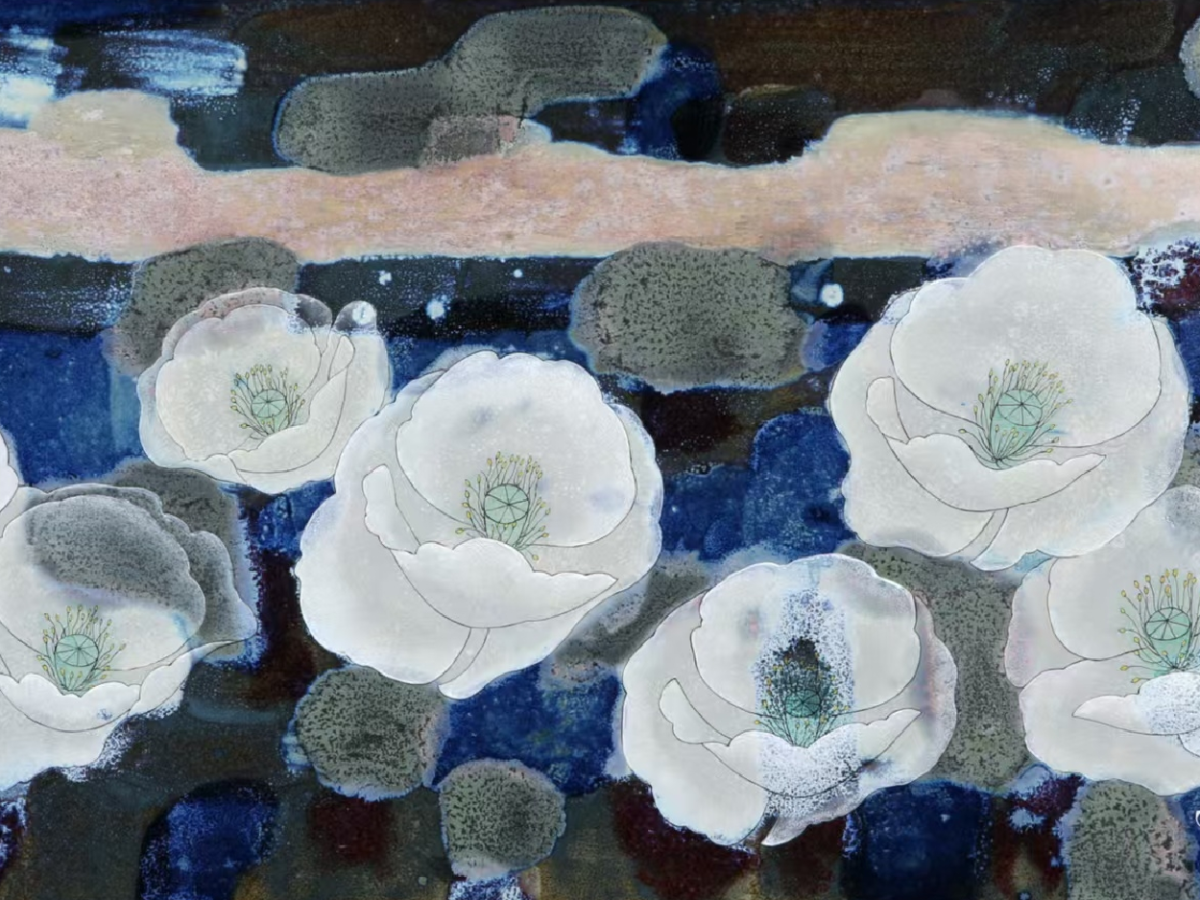
The sphere of ceramic sign design offers a considerable array of artistic possibilities. Craftsmen often apply a assortment of established and contemporary techniques to form visually eye-catching pieces. These can include from simple, crafted reliefs to complex, multi-layered configurations. Common methods include the slip cast process, hand crafting, glaze application – which can involve several approaches like primary coloration, post-firing embellishment, and etched pattern where designs are brought out by stripping a layer of surface. Extended research into exterior stylings such as thermal treatment and pearlescent coating can lead to truly rare and bespoken brick shields.
- Shape Forming - Fabricating pieces using a cast
- Artisanal Molding - Accurately crafting the dirt
- The glaze process - Coating the surface with a lustrous finish
- Carved drawing - Highlighting designs by peeling off overlays
Captivating Experiences: Ceramic Art Expositions
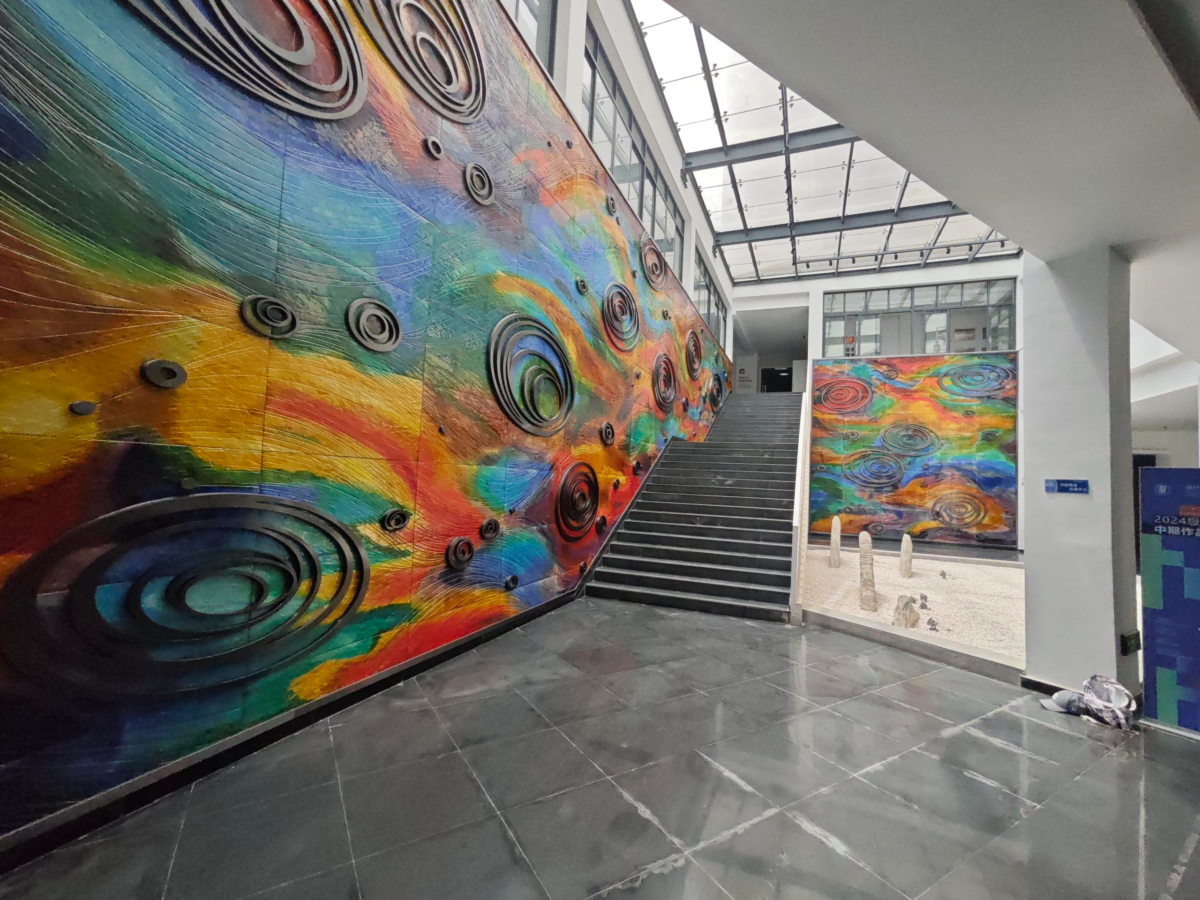
The growing landscape of art presents exciting groundbreaking avenues for witnesses, and ceramic art installations are at the front line of this shift. These aren't just static sculptures; they are fabricated to envelop the viewer in a sensory atmosphere. Imagine stepping into a forest of towering, embellished ceramic trees, or navigating a tangle of intricate ceramic vessels. Many artists are now incorporating acoustics, visuals, and even fragrance to enhance the mood of their work. Envision the power of a room filled with hundreds of hand-built ceramic figurines, each telling a tale. Typically, such installations analyze themes of environment, remembrance, and mankind.
- These installations blur the edges between work and venue.
- Participating in a ceramic art installation can be a deeply intimate journey.
- Artisans are challenging the edges of what is attainable with clay.
The Elegance of the Ceramic Holder: Purpose and Outline
The clay jar represents a remarkable integration of practicality and expressive appeal. Historically, these vessels served a minimalist job in storing objects, but their development has transformed them into highly valued works of mastery. Each piece showcases the proficiency of the creator, demonstrating how shape can be as vital as application. The meticulous shaping, the exceptional glazes, and the comprehensive presence of a finely-produced holder can elevate a space, offering both charm and a intimate reminder of the artistic hand.
Up-to-date Stoneware Art : Expanding Thresholds
Contemporary clay creation represents a fascinating transformation from traditional practices. Makers are vigorously advancing with new methods, softening the edges between design and different creative fields. From grand installations to complex miniature pieces, referenced works probe themes of identity while concurrently revolutionizing the core of what stoneware can realize. The result is a forceful landscape of creative design.
Clay Inscription: Maintaining Tradition in Earthenware
Earthenware plaques offer a special method for registering significant events and characters. As opposed to traditional metal or stone markers, these lasting pieces of creation are formed from kilned clay, creating a actual link Ceramic Cup Set to the yesteryear. Commonly, they showcase intricate embossments or artistically decorated imagery, conveying stories that might otherwise be overlooked. This technique, originating in ancient civilizations, provides a beautiful and unfading way to acknowledge our collective tradition.
- The aforementioned can be installed in communal spaces.
- Many are now accepted historical artifacts.
Brick Art Presentations: Remodeling Locations
Clay art installations are emerging a meaningful medium for makers to reinvent public and private venues. These immersive compositions frequently involve grand clay structures that captivate viewers, redirecting their appreciation of the designed environment. By incorporating diverse systems like artisanal crafting and elaborate firing tactics, ceramic artists construct truly remarkable experiences, overlapping the edges between art and location. The consequence is often a poignant conversion that enriches the creative quality of the location and fosters communication.
Beginning Lathe to Beauty: The Trade of the Pottery Vessel
The journey of a pottery vessel from a simple lump of mud to a finished work of mastery is a testament to human ingenuity. Originally, the process begins with the potter’s spin wheel, where the experienced artisan builds the rotating soil into a cylindrical design. This primary component demands finesse and a perceptive eye, followed by a delicate hardening period. Once pre-fired, the vase is ready for ornamentation, which may comprise glazing intricate ornaments, fashioning detailed imagery, or utilizing a multitude of finishes. The ending firing process then changes the product into a durable and eye-catching container, a tangible expression of the designer's talent.
Modeling with Terracotta: A Tutorial to Pottery Work
Immersing the sector of pottery work begins with studying the tenets of sculpting with ceramic material. Such means comprises carefully layering and taking away components to make three-dimensional structures. If you're a beginner or a experienced designer, playing with diverse classes of terracotta – specifically pottery – will promote you discover your unique approach. Finally, clay working is a gratifying experience that integrates specialized competence with innovative manifestation.