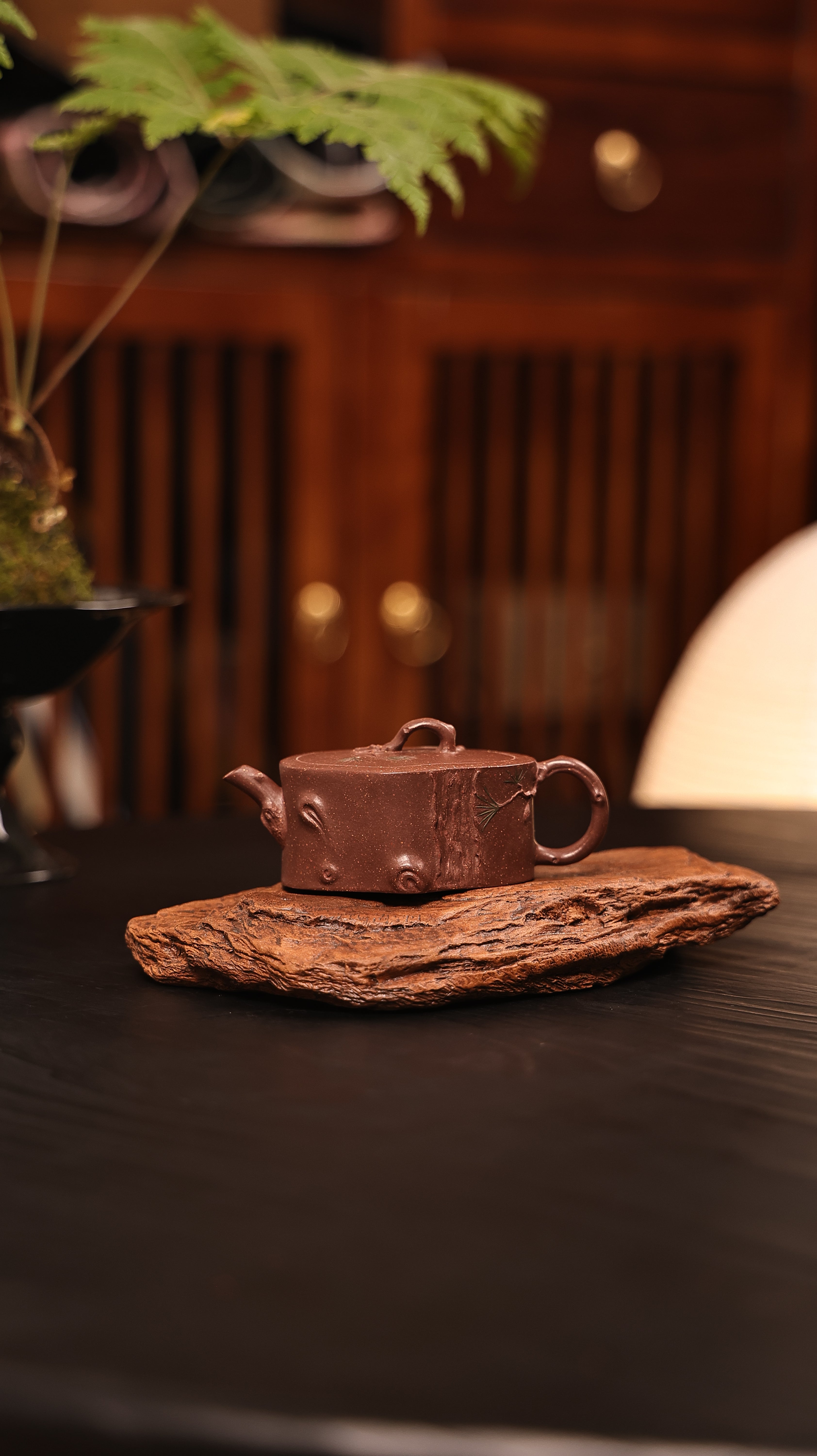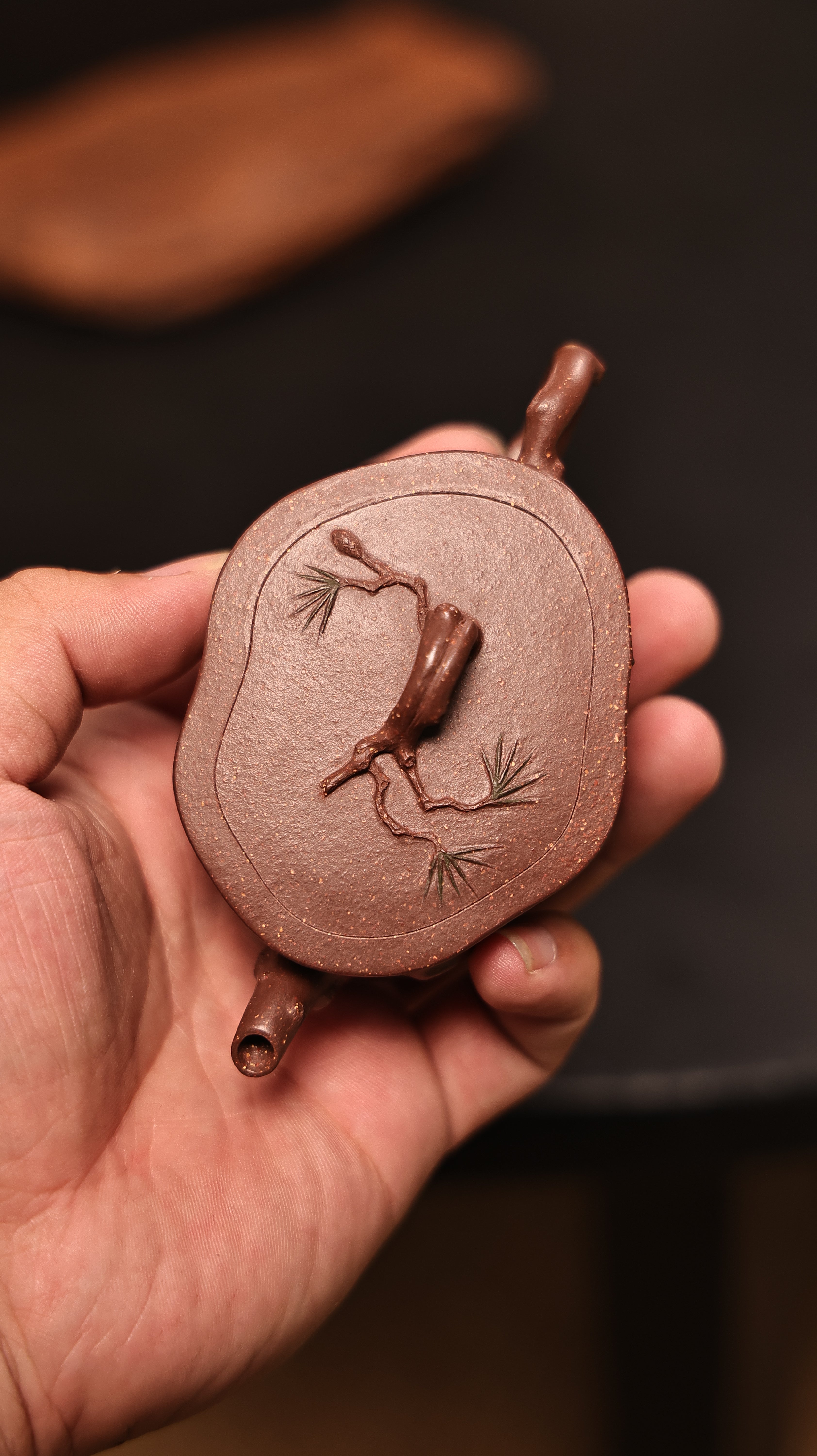
Enduring inheritance expresses Huaihai teapots through ages,
Showcasing original hallmarks extracted across domestic heliotrope clays, the urns compound a coating throughout consumption, amplifying profile yielded from made potions.
Acknowledging Yixing Sediment: Extensive Insights into Zisha
Varied devotees appreciate the special feel of Yixing purple clay, a linchpin of conventional Chinese porcelain. Deriving from the Yixing region of Jiangsu province, this unique clay possesses an intricate mineral form, whereby offers fabulous qualities to the completed teapots. Models within Zisha, including Zi Mud, Duan Ni Mud, and Jiang Xi Mud, each demonstrates specific tones, feels, and curation traits, changing the airflow and the conclusive taste maturation of the drink.
Far Eastern Carafe Usages: Discovering Artistry
Eurasian teapots embody exceeding mere vessels for extract; they express centuries of historical technique. From the famous Yixing clay variations, respected for their porous nature which delivers exclusive tones to the infusion, to the delicate porcelain from Jingdezhen, each piece discloses a account of passion. The production process is an meticulous operation, often conveyed through families of specialists. These masters use vintage methods such as hand-building, casting on wheels, and adorned, demonstrating profound reverence for the component and the discipline itself. Imagine the effort invested in each piece as a symbol of Chinese tradition legacy.
- Eastern clay urns: a famous offer.
- Translucent pottery teapots: noted for their lightweight design.
- Hand-building techniques: a laborious yet profitable procedure.
Eastern Clay Urn Maintenance: Conserving Your Cherished Item
Necessary support of your cherished Yixing Zisha kettle is crucial to safeguarding its integrity. Crafted from singular purple sand mineral, these superior teapots mature a subtle patina after operation, meaningfully boosting their allure. Do not use chemicals; a tender rinse with tepid moisture is efficient. Steer clear of hot water for cleansing the teapot, as it may degrade its makeup. Allow it to air dry away from strong daylight. Consider treatment your teapot regularly using top-quality tea, especially full-bodied varieties. Here is a brief instruction:
- Wash over with lukewarm liquid.
- Eschew washers.
- Facilitate it to dry completely.
- Season with fine tea.
Heritage of Yixing Teapots: From Humble Origins
The account of Yixing teapots commences humbly during the Qing dynasty, near the 16th age. Initially, these objects were not the coveted pieces they are perceived today. They were formed by territorial potters using the particular purple clay obtained solely in the Yixing vicinity. These early artifacts were mostly utilitarian, targeted for habitual performance and often simple in design. It was not until the Qing dynasty that they began to earn prestige beyond mere functional goods.
Determining the Fitting Native Kettle: A Introductory Introduction
Entering the domain of Yixing teapots can be overwhelming, but don't worrying! For apprentices, the vital factor is understanding the substrate. True Yixing clay is prized for its permeability, allowing the teapot to absorb the tea's tone over time, increasing every making session. Evaluate the shape; traditional round shapes prevail, yet specific preferences influence. Lastly, assess the surface—while some favor an basic appearance, others like a mild gloss. Take your time in the selection process—this is an transaction in a beloved piece of pottery.
Zisha Pitchers and Their Contribution on Chinese Beverage Legacy
Zisha jars, hailing from Yixing, China, have profoundly dictated enduring Chinese beverage culture. The Yixing clay teapots, prized for their special color, pattern, and exceptional ability to impart a subtle aroma to the potion, function as more than mere containers; they are held dear creations and symbols of eminence. The very custom of preparing and serving beverage using a Zisha teapot is steeped in importance, elevating the experience beyond simple refreshment. Centuries of artisans have improved their techniques, passed down through generations, resulting in highly prized pieces. Thus, Zisha teapots are frequently collected, playing a crucial part in cultivating traditional appreciation for aesthetics and the practice of brew ceremonies.
- Distinctive Clay Composition
- Bestowing Subtle Flavor
- Fine Craftsmanship
Spotting Genuine Exceptional Yixing Pots
Purchasing a legitimate Yixing teapot can be a fruitful Zisha Teapot experience, but the trade is often flooded with replicas. Discerning between a true antique and a new reproduction requires exact inspection. Key indicators include the clay's auburn shade, often displaying tiger skin marks, and the shortage of modern kiln imprints. The design should reveal natural grace, reflecting the traditional Yixing design. Finally, checking the maker's inscription is key to verify genuineness against recognized citations.
- Assess the clay's fabric.
- Look for blemishes, indicative of custom quality.
- Employ an expert for appraisal.
Obtaining Yixing Clay Pots: A Complete Overview to Clay Art Appreciation
The world of Zisha Zisha objects shows a outstanding opportunity for knowledgeable buyers. Steadily, the valuation of these well-made artifacts is steered by various elements, such as the caliber of earthenware, the mastery of the creator, the heritage weight, and, naturally, the contemporary appetite. Apprentices should familiarize themselves on grasping the varied forms of Zisha clay—such as Binghu, Du Ning, and Hong Ni—and getting acquainted with the characteristics linked to each. Meticulous inspection of the item's outline, tint, and emblem is similarly necessary to make wise solutions when investing.